
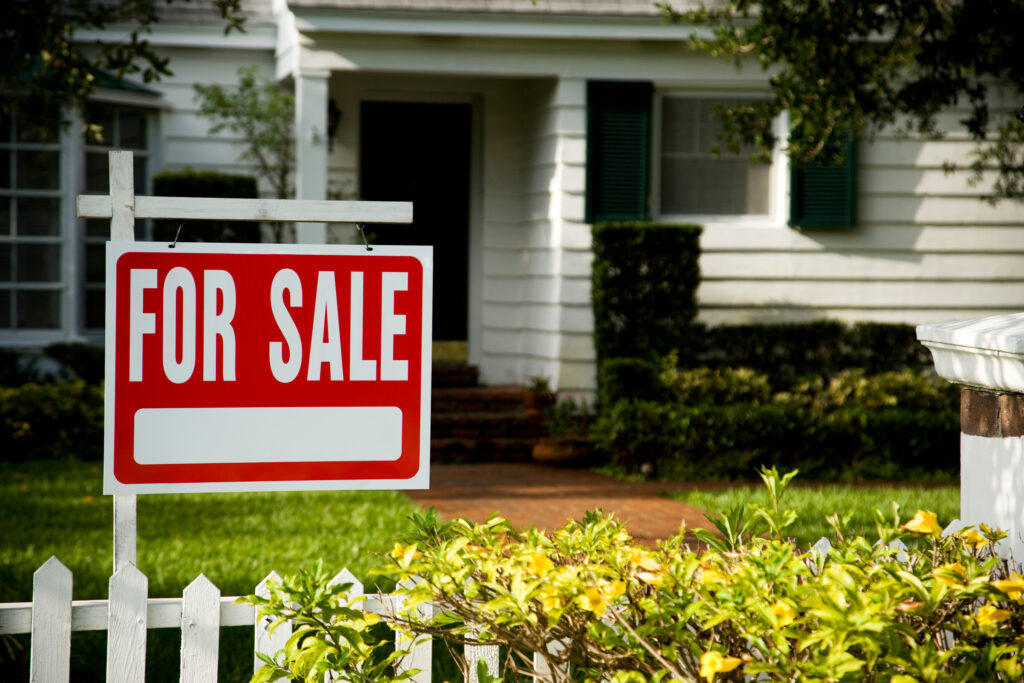
If you have been watching the St. Cloud real estate market closely, you may have noticed a shift. Some homes are selling within a reasonable timeframe. Others are remaining active longer than sellers expected.
This does not mean the market has stopped. It means it has changed.
In 2026, buyers in St. Cloud are more methodical. They are still purchasing homes, but they are evaluating value, condition, and long-term fit more carefully than they did during faster-paced cycles. When a home lingers, there is usually a clear reason behind it.
Understanding those reasons allows sellers to respond strategically rather than emotionally.
Pricing Must Reflect Today’s Market, Not Yesterday’s Headlines
Pricing is often the primary factor behind extended time on market.
Over the past several years, sellers became accustomed to strong demand and quick decisions. That environment influenced expectations. In today’s St. Cloud market, however, buyers are comparing more options and analyzing pricing more closely.
A home priced slightly above comparable properties may not generate immediate showings. Even if the difference seems small, buyers often use price as their first filter. If a property falls outside what they perceive as fair value, they may never step inside.
Strategic pricing in 2026 requires careful review of:
- Recent closed sales in the same neighborhood
- Active competition at similar price points
- Condition differences between homes
- Lot placement and upgrades
Homes that enter the market aligned with current data tend to generate early activity. Homes that start high often need adjustments later, which can affect overall momentum.
First Impressions Are More Important Than Ever
Buyers now make decisions quickly based on online presentations. In many cases, a listing’s photos and description determine whether someone schedules a showing.
Professional photography, clean staging, and accurate descriptions are no longer optional. They are expected.
Homes that appear cluttered, poorly lit, or dated in listing photos may struggle to generate interest, even if the property itself has strong features. Buyers in St. Cloud have enough inventory in 2026 to be selective about which homes they tour.
Strong presentation builds early traction. Without it, a listing can stall before it ever gains visibility.
Condition Influences Buyer Confidence
During more competitive years, buyers sometimes overlooked cosmetic concerns to secure a home. That behavior has shifted.
Today’s buyers want reassurance. They are paying closer attention to roofing condition, exterior maintenance, HVAC age, flooring wear, and visible repairs. Small issues can signal larger uncertainty.
This does not mean a home must be fully renovated to sell. It does mean that visible maintenance matters. Fresh paint, clean landscaping, and addressed minor repairs create a sense of readiness.
Homes that feel move-in ready tend to sell more efficiently than those that appear to require immediate work.
Neighborhood Competition Is Hyper Local
One common misconception is that homes compete across the entire city. In reality, most competition is neighborhood-specific.
If three similar homes are listed within the same St. Cloud community, buyers will compare them closely. They will evaluate:
- Interior finishes
- Lot size and privacy
- Proximity to amenities or roadways
- Overall presentation
If one home clearly stands out in value or condition, the others may sit longer, even if they are reasonably priced.
Understanding what is happening within your immediate neighborhood is more important than tracking citywide averages.
Buyer Psychology Has Evolved
Interest rates and broader economic conditions influence buyers’ mindsets. Even motivated buyers are taking more time to evaluate long-term affordability and value.
In 2026, buyers are:
- Negotiating repairs after inspections
- Comparing insurance costs carefully
- Evaluating long-term property tax implications
- Considering resale potential from the start
This increased caution can extend timelines. It is not a sign of disinterest. It reflects thoughtful decision-making.
Homes that are priced and prepared with this mindset in mind tend to move more smoothly through contract and closing.
The Impact of Overpricing at Launch
One of the most significant contributors to longer time on market is initial overpricing.
When a home enters the market above where buyers perceive value, showings may be limited during the critical first weeks. That early window is when a listing typically receives the most attention.
If interest is low during that period, the property can develop a reputation as “sitting.” Even after a price adjustment, some buyers may wonder why it did not sell earlier.
Launching at a realistic price based on current St. Cloud conditions often prevents this cycle from occurring.
Timing and Seasonal Patterns
Seasonality still influences activity levels.
Certain times of year attract more buyer movement, particularly families planning around school schedules. Other periods may see steadier but less urgent activity.
A home listed during a slower window may take longer to sell than one listed during a high activity period, even if both are well prepared.
Understanding timing helps set realistic expectations from the beginning.
Marketing Strategy Beyond the Listing
While online exposure is critical, marketing extends beyond posting a property.
Clear communication with buyer agents, accurate property details, and responsiveness during showings all contribute to buyer perception. Sellers who are flexible with scheduling and open to feedback often see stronger engagement.
When feedback indicates consistent concerns, addressing them quickly can make a meaningful difference.
Longer Does Not Mean Unsuccessful
It is important to separate longer timelines from failure.
In a balanced market, not every home sells within days. A thoughtful, well prepared listing can still achieve a strong result even if it requires patience.
The key difference is whether a home is positioned strategically from the start. When pricing, condition, and presentation align with buyer expectations, extended timelines are less common.
For sellers who want to better understand how buyer behavior connects to overall demand in the area, this resource provides helpful local context. Read here.
Understanding what attracts buyers to certain neighborhoods can also clarify why some homes move faster than others.
Strategy Over Emotion
When a home remains active longer than expected, the solution is rarely urgency or dramatic price cuts. It is a careful analysis.
Reviewing competition.
Evaluating feedback.
Adjusting presentation if needed.
Revisiting pricing with current data.
The St. Cloud market in 2026 is steady but selective. Sellers who adapt to that selectivity with a clear plan tend to navigate the process with greater confidence.
Why work with a realtor when your home is taking longer to sell?
At Dawn Grigsby Real Estate, we work to analyze local competition, buyer behavior, and neighborhood-specific trends so St. Cloud sellers can make informed adjustments based on data, not guesswork.
When you are ready to explore your options, visit our Property Search tool or reach out on our Contact page to begin your journey.